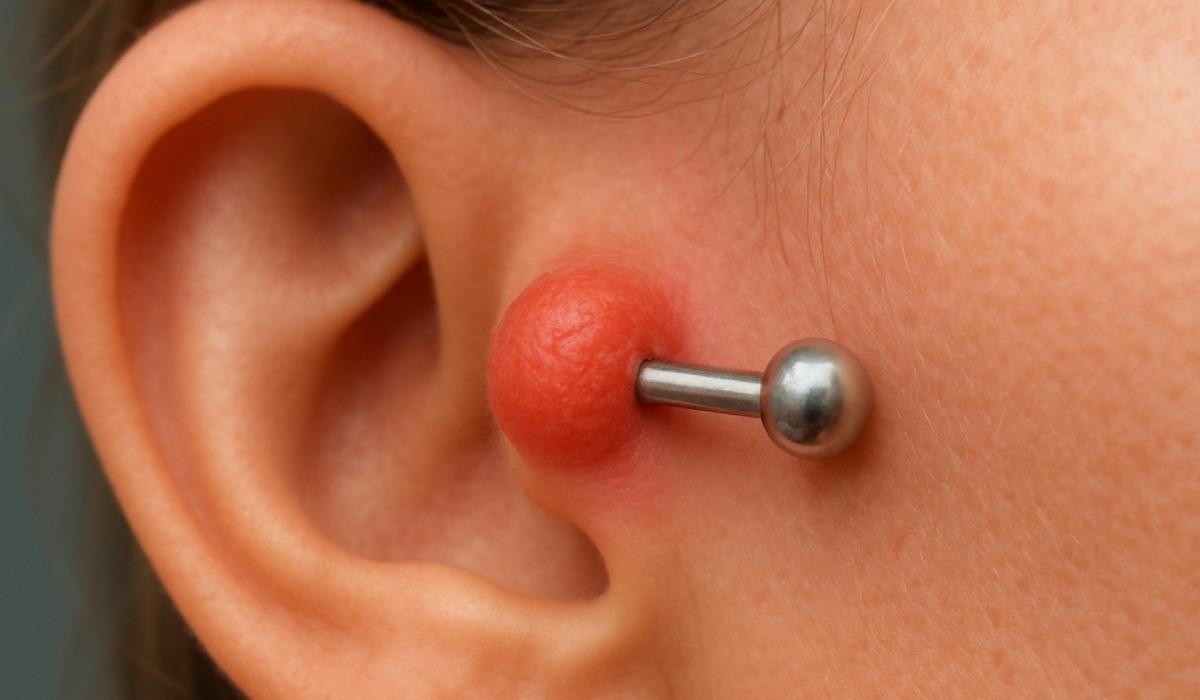
Best Piercing Bump Oils
Proper health and safety protocols are the backbone of any reputable tattoo and piercing studio, and for good reason: without them, clients are at risk of contracting serious bloodborne pathogens, including hepatitis and HIV. Sterilization is a critical component of this process, and it's not just a...
Proper health and safety protocols are the backbone of any reputable tattoo and piercing studio, and for good reason: without them, clients are at risk of contracting serious bloodborne pathogens, including hepatitis and HIV. Sterilization is a critical component of this process, and it's not just about wiping down surfaces with a disinfectant wipe - it's about creating a comprehensive system for sanitizing equipment, furniture, and even the air itself. This includes using autoclaves to sterilize needles, tubes, and other equipment that comes into contact with clients' skin, as well as implementing a rigorous cleaning schedule for all surfaces and furniture.
Beyond sterilization, aftercare is a crucial aspect of health and safety in tattoo and piercing studios. When a client gets a new tattoo or piercing, they're not just paying for the procedure itself - they're also paying for the expertise and guidance of a trained professional who can help them navigate the healing process. This includes providing clients with detailed aftercare instructions, such as how to clean and care for their new tattoo or piercing, what products to use, and when to seek medical attention if something goes wrong. It's also about being available to answer questions and provide support throughout the healing process, which can be a daunting and intimidating experience for many clients.
Bloodborne pathogen protocols are another critical component of health and safety in tattoo and piercing studios. These protocols are designed to prevent the transmission of diseases like hepatitis and HIV, which can be spread through contact with infected blood and other bodily fluids. This includes using personal protective equipment (PPE) like gloves and masks, as well as implementing strict procedures for handling and disposing of needles, tubes, and other equipment that comes into contact with clients' skin. It's also about training staff on how to recognize and respond to potential bloodborne pathogen exposures, which can be a matter of life and death in extreme cases.
One of the most effective ways to prevent bloodborne pathogen exposures is through the use of single-use equipment, which eliminates the risk of cross-contamination altogether. This includes using single-use needles, tubes, and other equipment that's specifically designed for tattooing and piercing. It's also about using high-quality, medical-grade products that are designed to minimize the risk of infection and promote healthy healing. By investing in these products and protocols, reputable studios can provide their clients with a safe and healthy environment in which to get tattooed or pierced - and they can also protect themselves and their staff from the risks associated with bloodborne pathogen exposure.
Ultimately, health and safety protocols are not just a necessary evil in the tattoo and piercing industry - they're a critical component of providing excellent customer service and ensuring that clients have a positive experience. By prioritizing sterilization, aftercare, and bloodborne pathogen protocols, reputable studios can build trust with their clients and establish themselves as leaders in their field. Whether you're a seasoned tattoo and piercing enthusiast or just getting started, it's essential to do your research and find a studio that prioritizes your health and safety above all else - your body will thank you.