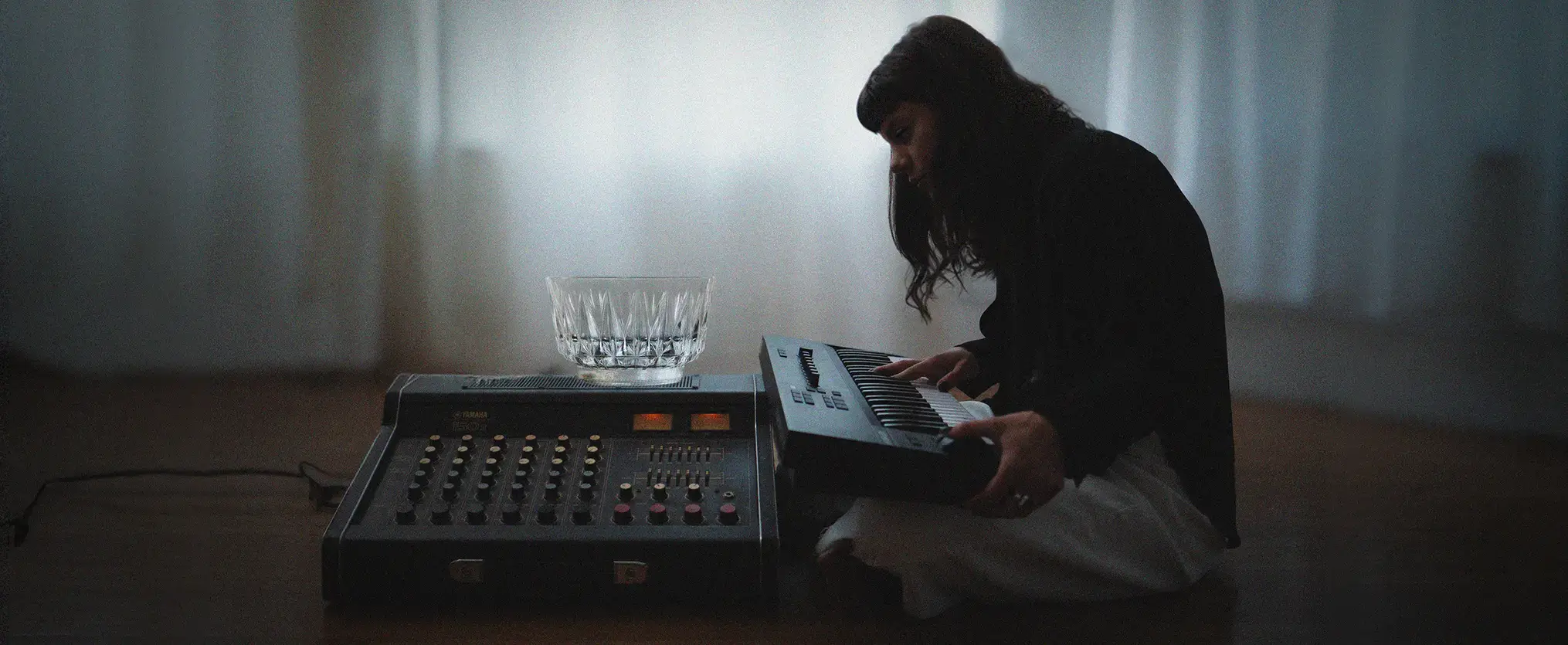
Sound Waves Meet Ink: Revolutionizing Tattoo Art with Nate Thompson
Tattoo artist Nate Thompson is pushing boundaries by translating audio frequencies into unique, permanent works of art. His sound-based tattooing technique captures the essence of a client's favorite song or voice, creating intricate designs that reflect the rhythms and melodies. This innovative app...
Tattoo artist and sound designer, Nate Thompson, is revolutionizing the industry with his innovative approach to sound-based tattooing, a technique that translates audio frequencies into unique, permanent works of art. By harnessing the power of sound waves, Thompson creates custom tattoos that not only visually represent his clients' favorite songs, voices, or noises but also sonically capture the essence of the audio. This pioneering method has sparked a new wave of interest in the tattoo community, with enthusiasts and collectors clamoring to experience the fusion of sound and ink.
Thompson's sound-based tattooing process begins with a thorough consultation, where he works closely with clients to select and record the audio that will inspire their tattoo design. Using specialized software, he then analyzes the sound wave patterns and translates them into visual representations, taking into account the client's personal style, preferences, and the desired placement of the tattoo on their body. The resulting designs are intricate, abstract patterns that reflect the rhythms, melodies, and harmonies of the original audio. As Thompson explains, "The goal is to create a tattoo that not only looks stunning but also tells a story and evokes an emotional response, much like the music or sound that inspired it."
For those interested in exploring sound-based tattooing, it's essential to find an artist who has experience working with audio frequencies and can guide you through the process. Thompson advises clients to come prepared with a clear idea of the sound they want to use, as well as any personal symbolism or meaning they associate with it. He also stresses the importance of communication, noting that "the key to a successful sound-based tattoo is collaboration and a deep understanding of the client's vision and goals." As the demand for sound-based tattoos continues to grow, it's likely that we'll see more artists experimenting with this innovative technique, pushing the boundaries of what's possible in the world of tattoo art.
The intersection of sound and tattooing also raises interesting questions about the role of technology in the creative process. As Thompson's work demonstrates, advancements in software and audio analysis have made it possible to translate sound waves into visual art forms, expanding the possibilities for tattoo design and opening up new avenues for artistic expression. At the same time, the increasing use of technology in tattooing has sparked debates about the importance of traditional techniques and the value of human touch in the creative process. As the industry continues to evolve, it will be fascinating to see how artists balance innovation with tradition, using technology to enhance their craft while remaining true to the art form's roots.
Ultimately, sound-based tattooing represents a thrilling new frontier in the world of tattoo art, one that combines the emotional resonance of music and sound with the creative expression of ink on skin. As Thompson's pioneering work inspires a new generation of artists and enthusiasts, we can expect to see a proliferation of innovative designs and techniques that challenge our assumptions about the possibilities of tattooing. Whether you're a seasoned collector or just starting your tattoo journey, the fusion of sound and ink is an exciting development that's sure to leave a lasting impression.