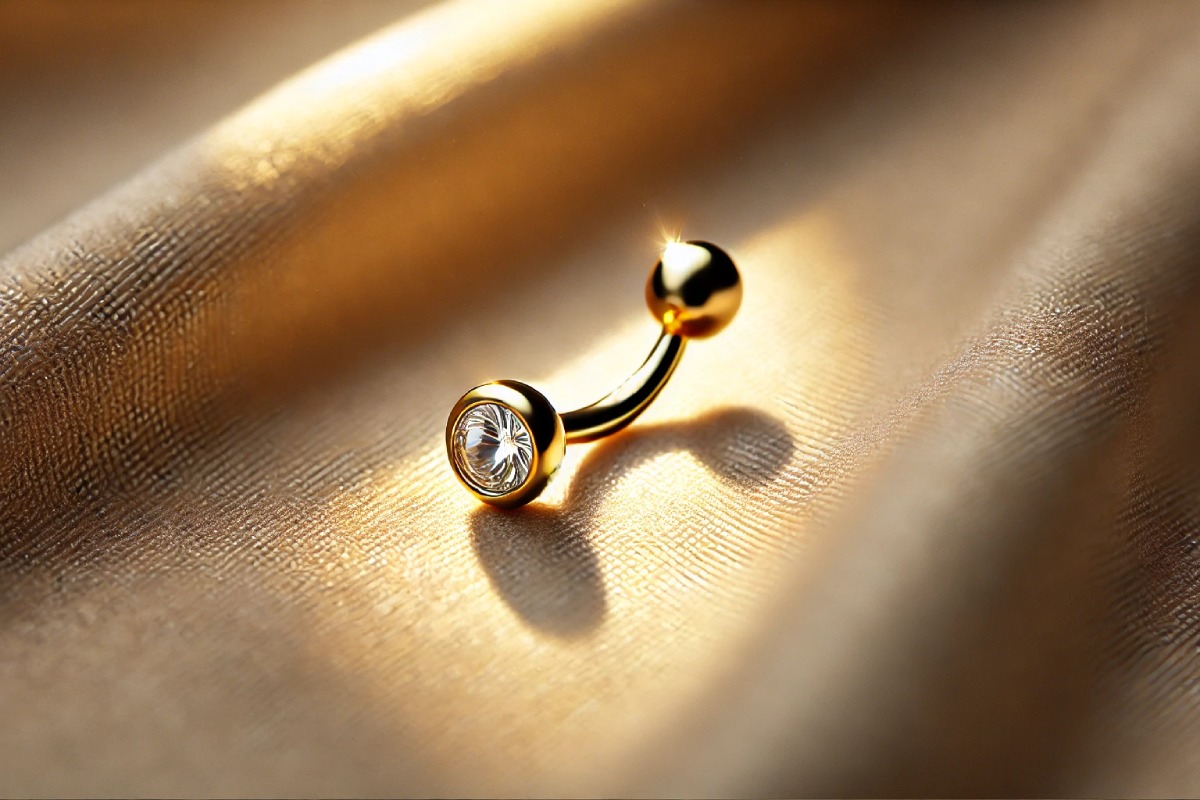
Top Gold Belly Rings
Health and safety protocols are paramount in tattoo and piercing studios, as they directly impact the well-being of clients and artists alike. Sterilization, aftercare, and bloodborne pathogen protocols are the foundation of a safe and reputable studio, and it's essential for clients to understand t...
Health and safety protocols are paramount in tattoo and piercing studios, as they directly impact the well-being of clients and artists alike. Sterilization, aftercare, and bloodborne pathogen protocols are the foundation of a safe and reputable studio, and it's essential for clients to understand the importance of these measures to ensure a positive and healthy experience. When visiting a studio, clients should look for autoclaves, which are devices that use high-pressure steam to sterilize equipment, and ultrasonic cleaners, which use high-frequency sound waves to remove debris and bacteria from instruments.
Proper aftercare is also crucial in preventing infections and promoting healing. Studios should provide clients with detailed aftercare instructions, including information on cleaning, dressing, and monitoring their new tattoo or piercing. It's also essential for clients to follow these instructions carefully, as neglecting to do so can lead to complications and prolong the healing process. Furthermore, studios should have a clear policy in place for addressing any issues that may arise during the healing process, such as redness, swelling, or discharge. This policy should include procedures for reporting incidents, providing guidance on wound care, and offering support to clients who may be experiencing complications.
Bloodborne pathogen protocols are another critical aspect of health and safety in tattoo and piercing studios. These protocols are designed to prevent the transmission of diseases such as HIV, hepatitis, and herpes, which can be spread through contact with infected blood or bodily fluids. Studios should have a clear protocol in place for handling blood and bodily fluids, including procedures for cleaning and disinfecting equipment, disposing of sharps and biohazardous waste, and providing personal protective equipment (PPE) for artists. Clients should also be aware of their own role in preventing the transmission of bloodborne pathogens, such as reporting any medical conditions or concerns to their artist and following proper aftercare instructions.
In addition to these protocols, studios should also prioritize ongoing education and training for their artists. This includes regular workshops, seminars, and online courses to stay up-to-date on the latest techniques, technologies, and best practices in health and safety. By investing in their artists' education, studios can ensure that they are providing the highest level of care and service to their clients. Ultimately, health and safety protocols are not just a necessary aspect of running a tattoo and piercing studio – they are a critical component of building trust and reputation with clients. By prioritizing health and safety, studios can create a safe and welcoming environment for clients to express themselves and achieve their body art goals.
The Alliance of Professional Tattooists (APT) and the Association of Professional Piercers (APP) are two organizations that provide guidance and resources on health and safety protocols for studios. These organizations offer certification programs, workshops, and online courses to help studios and artists stay up-to-date on the latest best practices and regulations. By working with these organizations and prioritizing health and safety, studios can demonstrate their commitment to providing a safe and healthy experience for their clients. Whether you're a seasoned tattoo and piercing enthusiast or just starting your body art journey, it's essential to prioritize health and safety by choosing a reputable studio that adheres to strict protocols and guidelines.